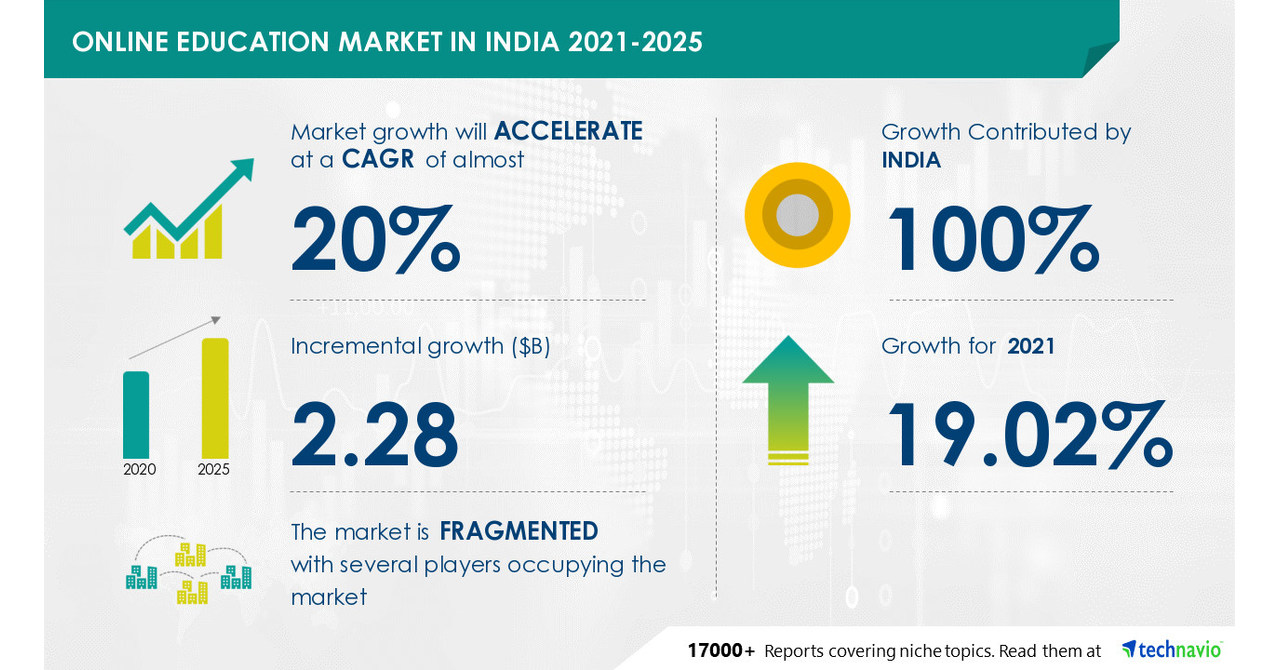
New Delhi: Online higher education in India is witnessing rapid growth, driven by changing student preferences, technological advancements, and regulatory support from the University Grants Commission (UGC). What was once considered a secondary option has now emerged as a mainstream pathway for millions of learners seeking flexible, affordable, and career-oriented education.
Market data indicates a sharp rise in enrolments for online degree programmes, particularly in management, computer science, data analytics, and commerce. Working professionals, students from smaller towns, and learners preparing for competitive exams are increasingly opting for online courses offered by recognised universities. The COVID-19 pandemic acted as a catalyst, normalising digital learning and pushing institutions to invest heavily in online infrastructure.
A key factor behind this expansion is the UGC’s regulatory framework for online education. Over the past few years, the UGC has allowed accredited universities to offer full-fledged online undergraduate and postgraduate degrees, provided they meet strict quality benchmarks. Institutions with higher NAAC scores and proven academic records are permitted to run online programmes, ensuring a minimum standard of teaching, assessment, and learner support.
However, challenges remain. Employers still differentiate between traditional and online degrees in certain sectors, while concerns over faculty engagement, practical exposure, and evaluation integrity persist. Experts also point out that many students lack clarity about whether an online degree will hold the same value as a regular one, despite UGC assurances of equivalence.
Looking ahead, the future of online higher education appears strong. Industry partnerships, hybrid learning models, and AI-driven personalised education are expected to reshape how online programmes function. Government initiatives promoting digital access and skill-based education further strengthen the sector’s prospects.
Education analysts believe that online higher education will not replace traditional universities but will complement them. As regulatory clarity improves and market acceptance grows, online degrees are likely to become a critical pillar of India’s higher education ecosystem.
With demand rising and policies evolving, online higher education is no longer an experiment it is fast becoming an integral part of the country’s academic and workforce development strategy.