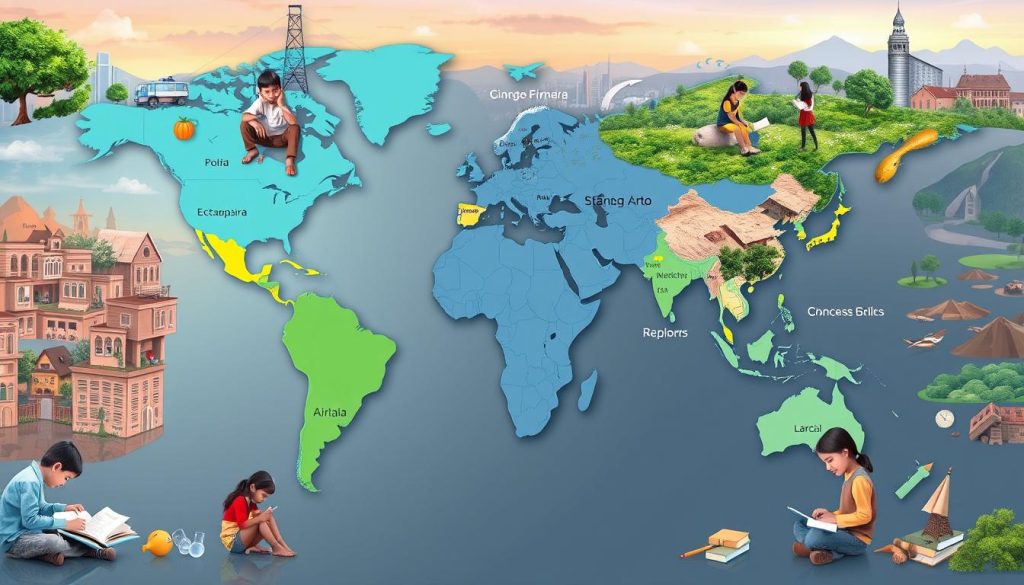
UNESCO has warned that global literacy rates are stagnating, highlighting an ongoing education crisis that threatens development goals and economic progress worldwide. According to the latest report released on Friday, millions of children and adults are still unable to access basic reading and writing skills, with the problem most acute in low-income countries.
The report underscores that, despite decades of investment in education, progress in literacy has slowed significantly over the past five years. Experts attribute this to a combination of factors, including insufficient funding, teacher shortages, conflict, and the long-term impacts of the COVID-19 pandemic on schooling. Rural areas and marginalized communities remain disproportionately affected.
UNESCO officials stressed that literacy is not only fundamental to individual empowerment but also essential for broader economic and social development. Countries with low literacy rates often face challenges in workforce readiness, health outcomes, and civic participation, reinforcing cycles of poverty and inequality.
The report also points to technological shifts as both a challenge and an opportunity. While digital learning tools have expanded access to education for some, many students in under-resourced regions lack access to the internet or digital devices, widening existing gaps. UNESCO called for urgent investment in inclusive and equitable education strategies that reach the most vulnerable populations.
Global leaders and policymakers are being urged to prioritise literacy initiatives, increase teacher training, and adopt innovative approaches to learning. International cooperation and funding are also deemed critical, especially in conflict-affected regions where educational infrastructure has been severely disrupted.
The report concludes with a stark warning: without decisive action, the global education crisis could deepen, leaving millions without the literacy skills needed to participate fully in society and the economy. Governments, NGOs, and international institutions are being called upon to collaborate to reverse the trend and ensure that education systems become more resilient and inclusive.