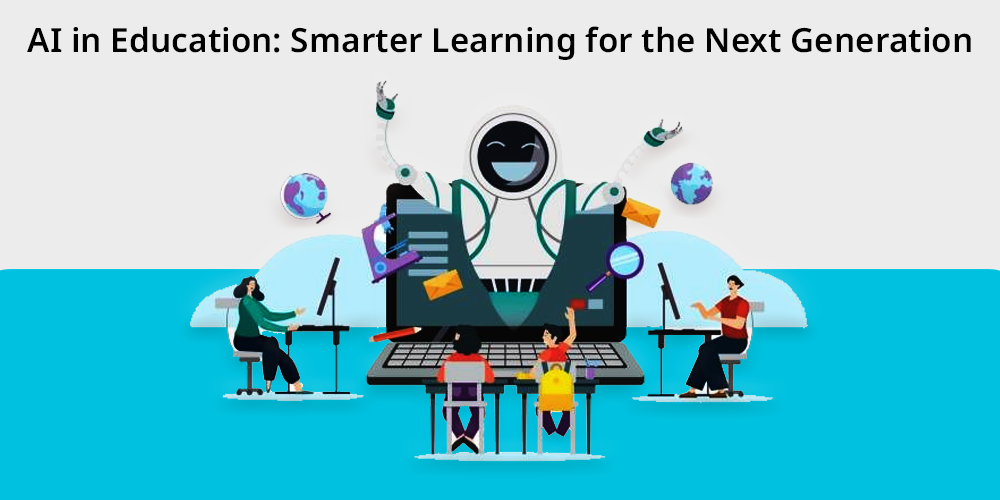
Governments around the world are accelerating the integration of artificial intelligence (AI) into school curricula, aiming to prepare students for a rapidly changing workforce and a technology-driven economy. Recent policy updates from multiple countries highlight a renewed focus on AI literacy, coding, and digital skills from primary through secondary education.
Education ministries are rolling out initiatives that include AI-based learning platforms, adaptive software, and virtual classrooms designed to personalise student learning. Teachers are being trained to incorporate AI tools in the classroom, enabling them to monitor progress, identify learning gaps, and provide targeted support.
Experts say AI can enhance educational outcomes by making learning more engaging and efficient. Adaptive technologies can adjust content difficulty in real-time, while automated assessment tools reduce administrative burdens on educators. Students also gain early exposure to AI concepts, coding, and data literacy, skills that are increasingly in demand in higher education and the global job market.
However, the rapid rollout of AI in schools raises challenges. Concerns include data privacy, equitable access to technology, and the need for teacher support. Policymakers are emphasizing safeguards to ensure that AI enhances, rather than replaces, human-led instruction. Funding and infrastructure remain critical to bridging gaps between urban and rural schools, particularly in developing countries.
International organisations, including UNESCO and the OECD, are calling for coordinated approaches to AI education. Recommendations include integrating ethical considerations, critical thinking, and digital citizenship into AI curricula, ensuring students understand both the capabilities and limitations of technology.
The shift toward AI-ready education reflects broader trends in workforce development and innovation. Governments hope that early exposure to AI tools will not only prepare students for future careers but also foster creativity, problem-solving, and adaptability—key skills for success in a tech-driven global economy.
As countries continue to modernise curricula, the coming years will likely see AI become a standard part of classroom learning, shaping how teachers teach and how students learn in unprecedented ways.