The government has unveiled a comprehensive policy initiative aimed at modernizing school curriculums nationwide, targeting full implementation by 2027. The move is designed to align education with 21st-century skills, technology integration, and global learning standards, addressing both academic rigor and practical skill development.
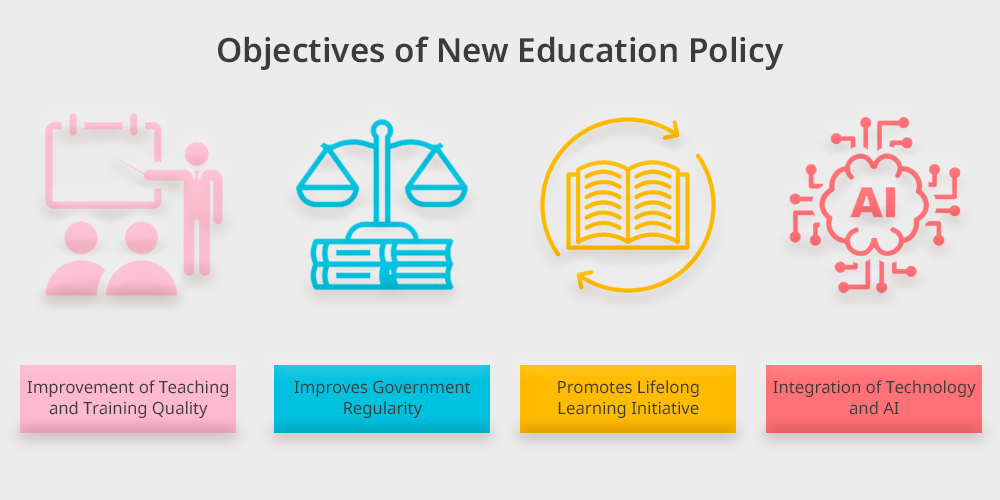
Education officials said the new framework will revamp subjects, teaching methodologies, and assessment patterns, ensuring students develop critical thinking, creativity, and problem-solving abilities alongside traditional academic knowledge. “Our goal is to make education more future-ready, inclusive, and relevant for today’s learners,” said a senior official from the Ministry of Education.
Under the policy, schools will integrate digital literacy, AI awareness, environmental education, and life skills into regular curriculums. Emphasis will also be placed on STEM subjects, multilingual learning, and experiential learning methods, including project-based and activity-centered approaches.
The reform aims to bridge learning gaps exposed by the COVID-19 pandemic and improve global competitiveness among students. Pilot programs will begin in selected schools this year, with phased rollouts planned across all states and union territories. Teacher training modules and digital resource platforms will support educators in implementing the new curriculum effectively.
Experts believe that modernizing curriculums is crucial for preparing students for a rapidly evolving global job market and emerging technologies. “The focus on practical skills, coding, AI literacy, and sustainability education ensures students are not only academically proficient but also adaptable to future challenges,” said an education policy analyst.
The policy also includes measures for inclusive education, supporting students from marginalized communities and differently-abled learners. By providing equitable access to updated learning materials and digital tools, officials aim to reduce educational disparities and promote uniform learning outcomes.
Industry leaders and educationists have welcomed the initiative, noting its potential to enhance employability, foster innovation, and strengthen India’s human capital. With robust monitoring mechanisms and periodic curriculum reviews, authorities hope to maintain quality standards while responding to technological and societal changes.
As schools begin preparations for the updated curriculum, parents and students are encouraged to stay informed through official education portals and state education departments. The policy signals a significant step toward transforming India’s education landscape and equipping students with the knowledge and skills needed to thrive in a rapidly changing world.