
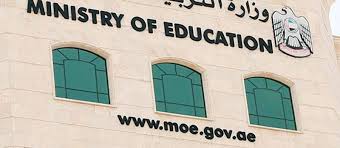
The United Arab Emirates has announced sweeping reforms to its higher education governance framework, marking a significant shift in how universities and academic institutions are regulated across the country. The changes, unveiled by education authorities this week, aim to strengthen oversight, improve academic quality, and align the sector more closely with international standards.
Under the new reforms, governance structures for public and private higher education institutions will be streamlined, with clearer roles defined for regulators, university boards, and academic leadership. Officials said the move is designed to reduce duplication, enhance accountability, and ensure that institutions remain responsive to the UAE’s long-term economic and workforce needs.
Education authorities emphasized that the reforms will place a stronger focus on outcomes, including graduate employability, research quality, and global competitiveness. Universities will be required to meet updated performance benchmarks, while governance boards are expected to play a more active role in strategic planning and financial oversight.
The overhaul comes as the UAE continues to position itself as a regional education hub, attracting international universities and a growing number of foreign students. Analysts note that rapid expansion in recent years has made governance reform increasingly necessary, particularly to maintain quality and credibility in a highly competitive global education market.
Officials also highlighted that the new framework supports innovation and flexibility, allowing institutions greater academic autonomy while holding them to stricter standards of transparency and performance. Digital reporting systems and enhanced quality assurance mechanisms are expected to be rolled out in phases over the coming months.
University leaders have largely welcomed the announcement, saying clearer governance rules will help institutions plan more effectively and strengthen trust among students, parents, and international partners. However, some administrators cautioned that implementation will be key, noting that smaller institutions may need additional support to adapt to the new requirements.
The reforms are part of broader national efforts to modernize the education sector and ensure it supports the UAE’s knowledge-based economy. With higher education playing a central role in developing local talent and attracting global expertise, policymakers say the changes are intended to future-proof the system.
As the reforms take effect, stakeholders across the education sector will be watching closely to see how the new governance model shapes university operations, academic standards, and the UAE’s standing in global higher education rankings.