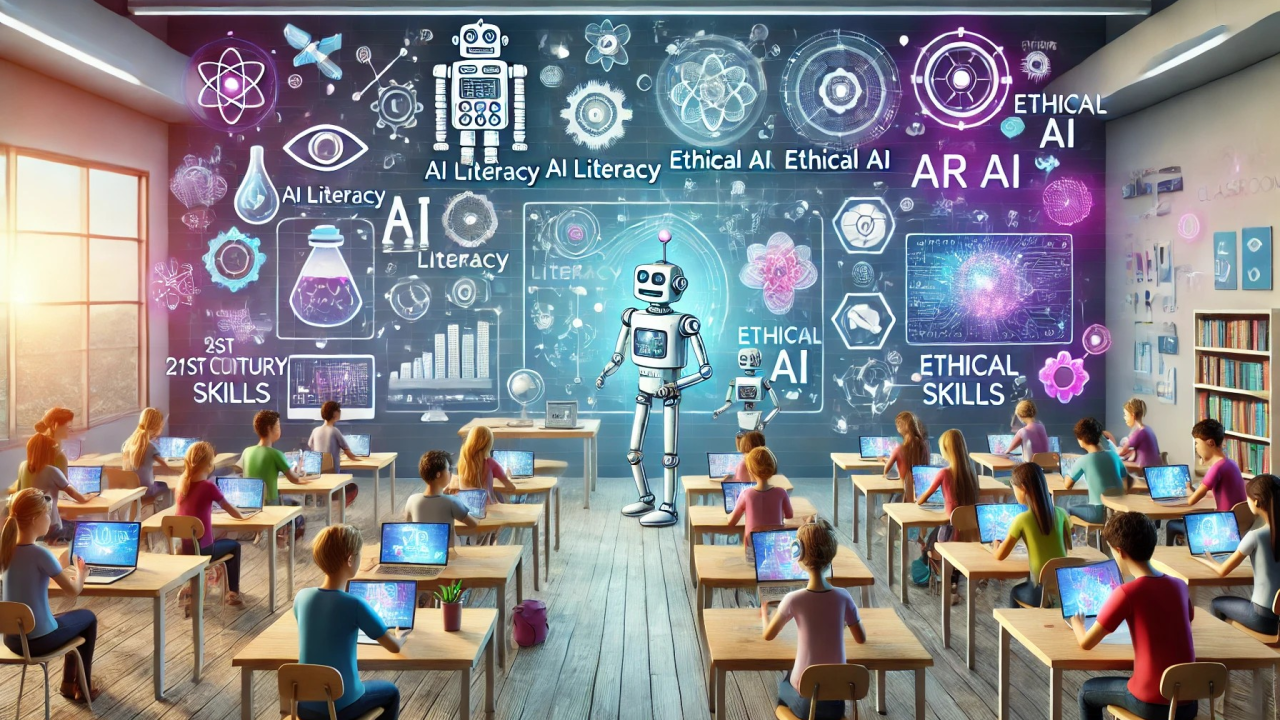
Schools across the country are rolling out new AI literacy programs as educators move quickly to prepare students for a future shaped by artificial intelligence and digital innovation. The initiative marks a significant shift in how schools approach technology education, focusing not just on using tools but on understanding how AI works and how it affects everyday life.
Education departments say the programs are being introduced at both middle and high school levels, with lessons covering basic concepts such as machine learning, data ethics, and responsible technology use. Some schools have also added hands-on activities, allowing students to experiment with simple coding projects and AI-powered applications.
Officials believe early exposure is essential as automation and smart technologies continue to transform industries ranging from healthcare and finance to media and manufacturing. “AI is no longer a distant concept. It’s part of daily life,” said a senior education official. “Our goal is to make students confident users and informed thinkers, not just passive consumers of technology.”
Teachers have welcomed the move, saying it helps bridge the gap between traditional classroom learning and real-world skills. Training sessions are being organized to help educators adapt to the new curriculum, with digital platforms offering ready-made lesson plans and interactive resources.
Parents have also responded positively, viewing AI education as an investment in their children’s future. “Careers are changing so fast,” said a parent in Delhi. “It’s reassuring to see schools keeping pace and preparing students for what lies ahead.”
Experts say the focus on AI literacy goes beyond employment. Understanding how algorithms work can help students think critically about online information, privacy, and the growing influence of technology in society. This, they argue, is just as important as learning math or science in today’s digital age.
Several states are expected to expand the program over the next academic year, with plans to integrate AI topics into existing subjects such as computer science, mathematics, and social studies.
As classrooms evolve, the introduction of AI literacy programs signals a broader shift in education — one that aims to equip students not only for future jobs, but for responsible participation in a rapidly changing world.