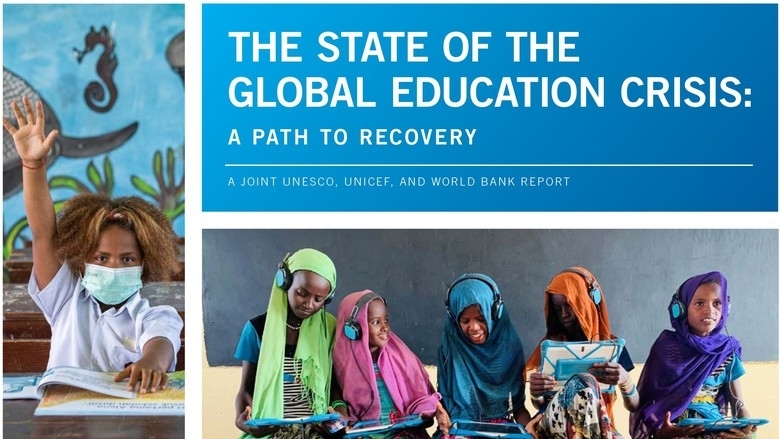
A new UNICEF report has outlined the current state of the global education crisis, warning that millions of children worldwide continue to face severe learning disruptions while stressing the urgent need for coordinated recovery strategies.
The report paints a sobering picture of education systems struggling under the combined pressures of conflict, displacement, economic instability, climate-related emergencies, and lingering post-pandemic effects. According to UNICEF, children in low-income and crisis-affected regions remain the most vulnerable, with learning losses threatening long-term social and economic development.
UNICEF emphasized that education systems are at a critical crossroads. Without immediate and sustained action, the learning gap between countries and communities is expected to widen further. The report highlights that school closures, teacher shortages, digital divides, and inadequate funding have significantly impacted access to quality education, particularly for girls, refugees, and children with disabilities.
Despite the challenges, the report also outlines clear recovery pathways. UNICEF calls for increased investment in education, stronger public-private partnerships, and inclusive policies that prioritize marginalized learners. Strengthening foundational skills, expanding access to digital learning tools, and supporting teachers through training and resources are identified as key pillars of recovery.
The report further stresses the importance of resilience in education systems, urging governments to integrate education into emergency preparedness and response plans. UNICEF noted that protecting education during crises is essential not only for learning continuity but also for child protection and community stability.
Global education experts welcomed the report, describing it as a timely call to action. They emphasized that education recovery must go beyond reopening schools and focus on rebuilding systems that are adaptable, inclusive, and future-ready.
UNICEF concluded by urging governments, donors, and international organizations to act collectively and decisively. “Education recovery is not optional—it is foundational to global recovery,” the report stated, adding that investments made today will shape the opportunities and well-being of future generations.
As the world grapples with multiple overlapping crises, the UNICEF report serves as a critical reminder that addressing the global education crisis is central to achieving sustainable development and long-term global stability.